1 - 20 of 900 Results
Date:
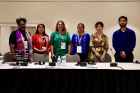
The Third Forum on Human Rights Defenders in Environmental Matters in Latin America and the Caribbean was held between April 7 and 10, 2025, in Saint Kitts and Nevis, a key space for deepening the implementation of the Escazú Agreement in the region. Convened by ECLAC in its role as Secretariat of the Agreement, the Forum has established itself in this third edition as a regional milestone to advance the discussion on the rights of those who defend the environment, land, and Mother Earth.

Date:
Women in Haiti have long played a transformative role in responding to social and environmental crises, mobilizing for democratic processes, and advancing human rights, all while facing barriers like gender-based violence, which also hinders their public engagement. Their participation ensures inclusive and representative electoral governance, guaranteeing the country's democratic legitimacy. Recent information on the personnel recruited by the Provisional Electoral Council (CEP) at the level of BED and BEC shows significant progress. Some departments show a participation of more than 30% of women in electoral management, notably in the South (38.1%), Les Nippes (33.33%), and the Centre (32.5%). Furthermore, in the South department, nine women have been appointed to lead the offices and two women in the Ouest 1 department.

Date:
Every April 22nd, we commemorate International Mother Earth Day, a date officially recognized by the United Nations through General Assembly Resolution 64/196, adopted on December 21, 2009. This recognition marked a political milestone in the global environmental agenda by emphasizing the need to foster a balanced and respectful relationship between humanity and the planet we inhabit.

Date:
#ForAllWomenandGirls is a rallying call for action on the 30th anniversary of the Beijing Declaration and Platform for Action. Sandra Patricia Aguilar Carabalí leads youth and women’s resistance in northern Cauca, Colombia, a region marked by violence and environmental challenges.
Date:
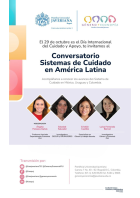
En el marco del Día Internacional del Cuidado y el Apoyo (29 de octubre), la Universidad Javeriana de Colombia organizó un conversatorio virtual el cual contó con la participación de la especialista en Empoderamiento Económico de ONU Mujeres Uruguay, Soledad Salvador. Se abordaron avances y desafíos en la construcción de sistemas integrales de cuidados en la región y se compartieron claves para reducir las desigualdades y garantizar derechos con perspectiva de género.
Date:
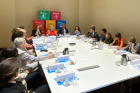
ONU Mujeres convocó a distintos espacios de intercambio donde se abordó “La igualdad de género: Compromisos y Desafíos”, con foco en los resultados electorales en Uruguay. Uno de estos fue con las organizaciones de la sociedad civil y otro junto con distintos actores del cuerpo diplomático en Uruguay en el cual participó Pablo Ruiz Hiebra, coordinador residente de las Naciones Unidas en Uruguay y María Noel Vaeza, directora regional de ONU Mujeres para las Américas y el Caribe quienes subrayaron el rol de la cooperación internacional y la necesidad de una democracia paritaria.

Date:
Un año más, Cotidiano Mujer, CAINFO, ONU Mujeres y UNESCO se unen para convocar al IX Premio Nacional de Prensa Escrita Marcelo Jelen, el cual reconoce las producciones periodísticas que promuevan la diversidad y la no discriminación.

Date:
ONU Mujeres apoyó la realización y participó de la XXIV Reunión de Ministras y Altas Autoridades de la Mujer del MERCOSUR (RMAAM), que discute medidas que los países del MERCOSUR pueden implementar conjuntamente para enfrentar la violencia contra las mujeres, la violencia política contra las mujeres, la trata de personas, con énfasis en mujeres y niñas, y la política de cuidados a través de sus fronteras. La reunión contó con la participación de las autoridades de Brasil, Paraguay y Uruguay, a nivel técnico, y de Chile, a nivel político. Considerando la larga colaboración entre la RMAAM y ONU Mujeres, se ha propuesto a los Estados miembro del MERCOSUR la firma de un Memorando de Entendimiento para formalizar la cooperación entre ambas entidades.
Date:
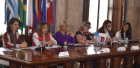
En el encuentro La violencia política hacia las mujeres: miradas desde el MERCOSUR, realizado en el marco de la Reunión de Ministras y Altas Autoridades de la Mujer del Mercosur, contó con la participación de la directora regional para las Américas y el Caribe de ONU Mujeres María Noel Vaeza, junto a otras autoridades y expertas regionales y locales. En la Apertura hizo uso de la palabra la vicepresidenta Beatriz Argimón, así como Mónica Bottero, directora de InMujeres Mides. En la actividad reflexionaron sobre los desafíos de la violencia política y destacaron la urgencia de avanzar hacia la paridad de género en la región.
Date:
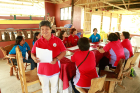
Para las mujeres y las niñas, la migración representa a menudo un salvavidas, la mejor oportunidad de mejorar sus vidas y las de sus familias. Sin embargo, la migración segura y regular sigue estando fuera del alcance de muchas de ellas. La discriminación por motivos de género sigue limitando su toma de decisiones y su autonomía, dictando quién emigra, adónde va y cómo viaja.

Date:
UN Women spoke with Irene Cari, an indigenous activist from the province of Salta in northern Argentina, about violence against women in Argentina and how to prevent it. In 2014 Cari founded the Women’s Forum for Equal Opportunities, an association that supports women and girls experiencing abuse, including sexual abuse. In 2022, she participated in the Third Parliament of Indigenous Women and Diversities for Good Living in Salta, which UN Women supported. She was also a member of the Civil Society Advisory Group of the United Nations Spotlight Initiative, which funds innovative grassroots programmes to end violence against women and girls around the world.
Date:
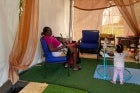
Under the Global Affairs Canada-funded Build Back Equal Project, UN Women MCO Caribbean Deputy Representative Isiuwa Iyahen supported the launch of an initiative to facilitate working mothers’ and women attendees care for their children at Dominica’s premier Creole Festival - Ti Vilaj Kwéyòl - in partnership with Melissa Poponne Skerrit, the Minister of Housing, Land and Urban Development.
Date:
Hoy, en la segunda ocasión en que el mundo conmemora el Día Internacional del Cuidado y el Apoyo, celebramos los esfuerzos que se están realizando en todo el mundo, desde Brasil, Chile, Colombia y Panamá, que acaban de aprobar leyes por las que se establecen Sistemas Nacionales de Cuidados, hasta Kenia, que utiliza los datos de su primera Encuesta Nacional sobre el Uso del Tiempo para fundamentar el desarrollo de su política nacional de cuidados.
Date:
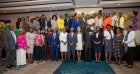
– The Haitian political landscape reached a new milestone last month with the launch of the National Symposium on Women’s Engagement in the Political Transition. This event, organized by the Ministry for the Status of Women and Women’s Rights, under the high patronage of the Prime Minister, in partnership with UN Women and UNFPA, seeks to strengthen the political participation and leadership of women in the electoral transition period, by emphasizing the harmonization of the efforts of all partners to work against gender-based violence, including electoral violence against women.
Date:
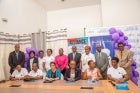
The Alliance of Civil Society Organizations for Peace and Women’s Empowerment, known as “L´ALLIANCE” (AOSCPAFH, for its acronym in French), inaugurated its headquarters in Port-au-Prince on Wednesday, July 31st, with the participation of government actors including a delegate of the Prime Minister, the Ministry of Gender and the Citizen’s Defender’s Office, the private sector, civil society, UN agencies, and other international organizations with presence in Christ -Roi, Port-au-Prince, Haiti.
Date:
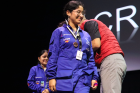
Hayli Játiva: a young Ecuadorian woman creating innovative solutions by combining her cultural heritage and artificial intelligence
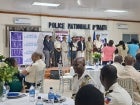
UN Women supports mobility efforts in Haiti to protect women and girls against gender-based violence
Date:
As part of its ongoing efforts to strengthen gender-responsive initiatives across Haiti, within the framework of the Spotlight Initiative, funded by the European Union, UN Women provided equipment and materials to ten departments in the Haitian National Police's Gender Cells.
Date:
Un reciente informe de ONU Mujeres muestra las alarmantes condiciones en las que viven y la falta de seguridad a la que se enfrentan 300.000 mujeres y niñas desplazadas en Haití, agravadas por la actual inestabilidad política, la escalada de la violencia de las pandillas y la temporada de huracanes que amenaza aún más a la isla caribeña.
Date:
Japan, UN Women, Agua Pura para el Mundo (Pure Water for the World), and the Fundación Alivio para el Sugrimiento (Relief of Suffering Foundation) have inaugurated the Journeys (Trayectos) programme in Honduras. The programme aims to guarantee the rights of women in mobility during their transit through Central America. Funded by the Government of Japan and implemented in Costa Rica, Honduras, and Panama, Journeys seeks to close critical gaps in women's leadership and ensure their equitable access to protection amidst unprecedented human displacement in the region.
Date:
More people than ever will go to polls in 2024, when 113 countries have never had a woman at the helm, and only 26 countries are led by a woman today.